3:14 PM Braces Care: Maintaining Oral Hygiene During Treatment |
Getting braces is a significant step toward achieving a straighter, healthier smile. However, wearing braces comes with the added responsibility of maintaining excellent oral hygiene. Proper care during treatment is crucial to prevent plaque buildup, cavities, and gum disease, ensuring that you achieve the best Dental Braces Cost In Dubai. This article provides comprehensive tips on how to maintain oral hygiene effectively while wearing braces. The Importance of Oral Hygiene with BracesBraces create additional surfaces for food particles and plaque to accumulate. If not cleaned properly, this can lead to dental issues such as:
By prioritizing your oral hygiene routine, you can protect your teeth and gums and ensure a successful orthodontic outcome. Effective Oral Hygiene PracticesTo keep your mouth healthy during braces treatment, follow these effective oral hygiene practices: 1. Brush Regularly and ThoroughlyBrushing your teeth at least twice a day is essential when wearing braces. Here’s how to do it effectively:
2. Floss DailyFlossing is crucial for removing plaque and food particles that your toothbrush might miss, especially around brackets and wires. However, flossing with braces can be challenging. Here are some tips:
3. Rinse with MouthwashUsing an antibacterial or fluoride mouthwash can complement your brushing and flossing routine. Rinse your mouth with mouthwash after brushing to:
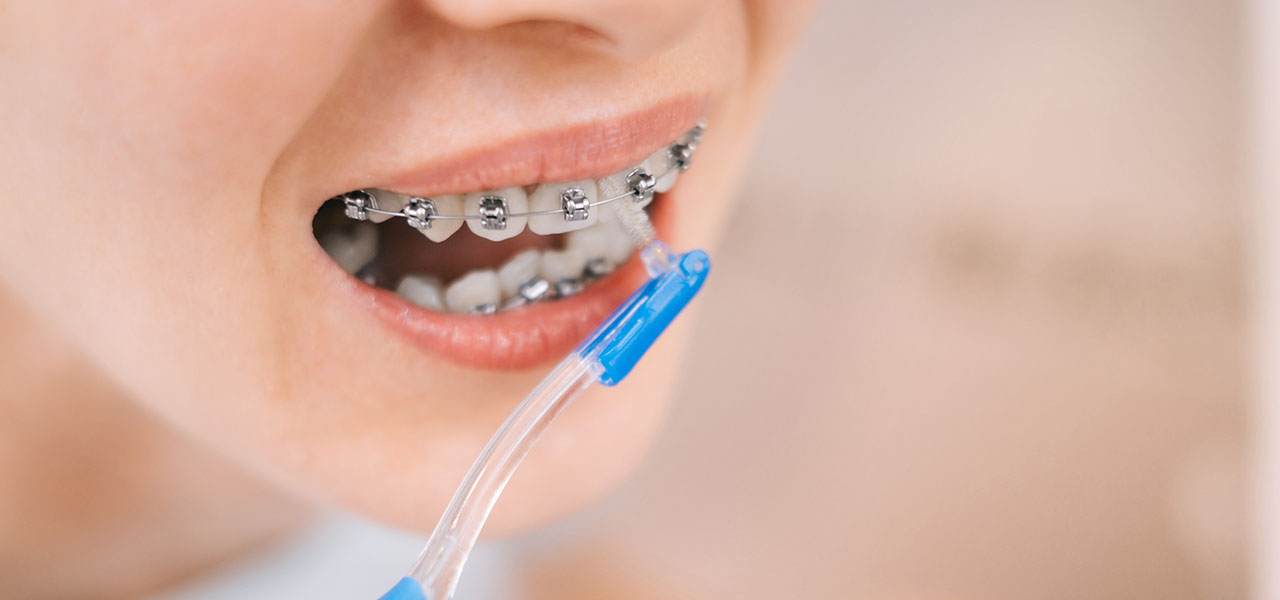
4. Use Interdental BrushesInterdental brushes are small, pointed brushes designed to clean between teeth and around braces effectively. They can be especially useful for:
5. Choose the Right FoodsDiet plays a crucial role in maintaining oral hygiene with braces. Some foods can damage your braces or increase the risk of dental problems. Here’s what to avoid:
Instead, opt for softer foods that are less likely to cause problems, such as yogurt, applesauce, and steamed vegetables. 6. Stay HydratedDrinking plenty of water helps wash away food particles and keeps your mouth moist. Staying hydrated is particularly important, as dry mouth can lead to increased plaque buildup. Water is also the best beverage for oral health, as it does not contain sugars that can contribute to decay. 7. Regular Dental Check-UpsMaintaining regular dental visits during your orthodontic treatment is crucial. Your orthodontist will:
8. Dealing with DiscomfortIt’s common to experience some discomfort after getting braces or following adjustments. Here are some tips to manage any soreness:
ConclusionMaintaining oral hygiene during braces treatment is essential for achieving a healthy, beautiful smile. By following these practices—brushing and flossing diligently, using mouthwash, avoiding certain foods, and keeping regular dental appointments—you can ensure that your teeth and gums remain healthy throughout your orthodontic journey. With proper care, your braces will help you achieve the straight, confident smile you desire, making the effort well worth it. Remember, a little extra effort in maintaining your oral hygiene can lead to lasting results and a smile you’ll be proud to show off. |
|
|
| Total comments: 0 | |