10:47 AM Can HIFU Replace a Facelift? Understanding Its Long-Term Benefits |
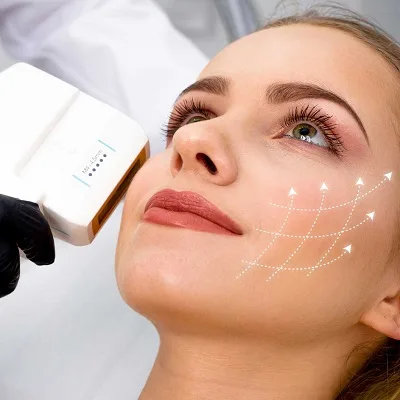
The quest for youthful, radiant skin often leads individuals to explore various anti-aging treatments. One of the latest buzzwords in the aesthetic world is HIFU (High-Intensity Focused Ultrasound), an advanced non-surgical procedure that promises skin tightening and rejuvenation. But can HIFU actually replace a facelift? In this article, we’ll dive into the benefits of HIFU Treatment Dubai, its effectiveness compared to traditional facelifts, and whether it can deliver long-term results worth considering. What Is HIFU?HIFU is a non-invasive treatment that uses ultrasound waves to stimulate the deeper layers of the skin. By focusing high-intensity sound waves on specific areas, HIFU promotes collagen production and tightens the skin without the need for surgery. Unlike a facelift, which involves physical incisions and recovery time, HIFU is a much gentler procedure with minimal downtime. How Does HIFU Work?HIFU works by delivering ultrasound energy to the skin’s deeper layers. This energy penetrates below the surface to stimulate the skin’s natural collagen production, resulting in firmer, more lifted skin over time. The treatment targets areas like the jawline, cheeks, neck, and forehead, giving a natural facelift effect by tightening and lifting sagging skin. The Process of HIFU TreatmentThe treatment begins with a consultation where the practitioner assesses your skin's condition and discusses your goals. During the procedure, a handheld device is used to deliver ultrasound waves to the targeted areas. Patients may feel a slight warming or tingling sensation, but the treatment is generally well-tolerated. The entire session typically takes between 30 to 90 minutes, depending on the areas being treated. There's no need for recovery time, so most people resume their daily activities immediately after the session. HIFU vs. Facelift: Key DifferencesWhile both HIFU and facelifts aim to address signs of aging such as sagging skin, wrinkles, and fine lines, there are some crucial differences between the two. 1. InvasivenessA traditional facelift requires surgery, with incisions made around the ears or hairline. The procedure involves general anesthesia and a recovery period of several weeks, during which swelling and bruising are common. On the other hand, HIFU is non-invasive, meaning no cuts, stitches, or anesthesia are required. 2. Results TimelineHIFU’s results are gradual. Collagen production takes time, and noticeable changes typically become visible within 2-3 months after treatment, continuing to improve for up to six months. A facelift, however, offers immediate results, although the recovery process can take longer. 3. Longevity of ResultsA facelift can last for several years, with results typically visible for around 5 to 10 years, depending on lifestyle and aging factors. HIFU, however, delivers results that last around 1-2 years before a maintenance treatment is recommended. The longevity of HIFU results largely depends on individual factors like skin condition and age. 4. Downtime and RecoveryHIFU has a significant advantage in terms of recovery. There is no need for post-treatment bandages or significant downtime. Some individuals may experience mild redness or swelling, but this usually fades within a few hours. Facelift surgery, in contrast, involves a more substantial recovery period, with some people needing up to two weeks before they feel comfortable resuming normal activities. Benefits of HIFUHIFU’s growing popularity is due to its many benefits. Here are some of the reasons why this treatment might be the right choice for you: 1. Non-Surgical and Non-InvasiveHIFU provides an excellent alternative for those looking for a facelift-like effect without the need for surgery. There are no cuts or stitches, making it a safer option for those who are not ready to go under the knife. 2. Stimulates Collagen ProductionThe key to HIFU’s effectiveness lies in its ability to stimulate collagen production. As we age, our skin loses collagen, leading to sagging and wrinkles. By encouraging the body to produce more collagen, HIFU helps restore firmness and elasticity to the skin. 3. Minimal Recovery TimeUnlike facelifts, which require weeks of downtime, HIFU typically allows patients to resume normal activities within a day. Any side effects, like slight redness or swelling, are temporary and disappear quickly. 4. Targeted Treatment AreasHIFU can be precisely targeted to specific areas such as the jowls, neck, chin, and even under the eyes. This makes it an ideal treatment for those who want to focus on problem areas without undergoing a full facelift procedure. 5. Long-Lasting Results with MaintenanceAlthough HIFU’s results aren’t permanent, they can last for a significant amount of time. With periodic maintenance treatments, you can continue to enjoy a lifted, youthful appearance without the need for invasive surgery. Post-Treatment Care for HIFUWhile HIFU Treatment in Dubai, following some basic aftercare guidelines can help optimize results. After the treatment, you might experience mild redness, swelling, or a tingling sensation in the treated area. These side effects are temporary and should subside within a few hours. Key Tips for Post-Treatment Care:
Is HIFU a Good Alternative to a Facelift?The decision to choose HIFU over a facelift depends on various factors, including your skin condition, the severity of sagging, and your personal preferences. HIFU is an excellent choice for individuals who are looking for a subtle, non-invasive lift with minimal downtime. It works best for those with mild to moderate skin laxity, as it can tighten and lift the skin, providing a natural rejuvenation. However, for individuals with more advanced signs of aging or significant sagging, a facelift may still be the most effective solution. A facelift provides more dramatic, longer-lasting results that are hard to achieve with non-invasive treatments. When to Consider HIFU:
When to Consider a Facelift:
ConclusionHIFU offers a promising, non-surgical alternative to a facelift, especially for those seeking a gradual, subtle improvement in skin tone and firmness. While it may not fully replace the results of a traditional facelift for those with significant aging concerns, HIFU provides an excellent option for individuals who want to maintain their youthful appearance without the risks or downtime associated with surgery. Whether HIFU can replace a facelift for you depends on your specific skin needs and treatment goals, but it is undoubtedly a powerful tool in the fight against aging. |
|
|
| Total comments: 0 | |