3:23 PM Dental Veneers: An Insight into Their Composition and Choices |
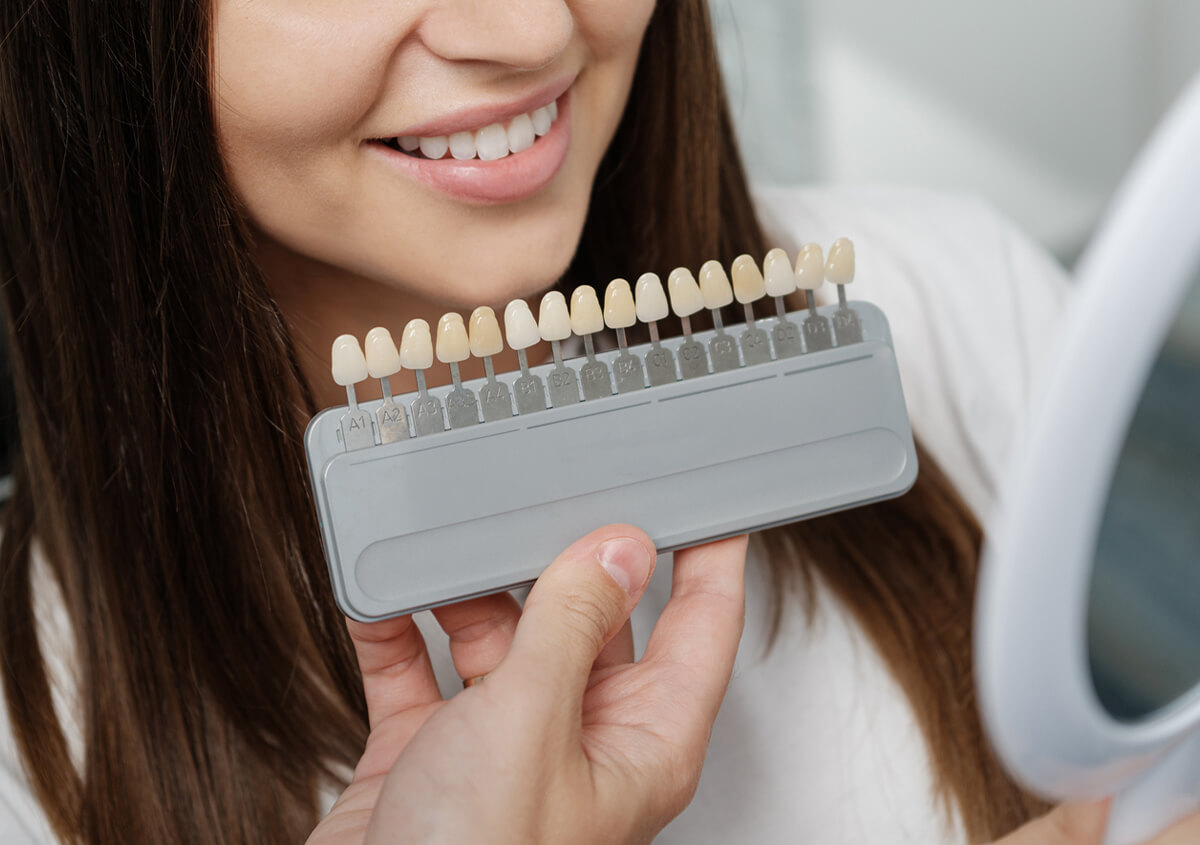
A dazzling smile can have a powerful impact on your confidence and appearance. For many, dental veneers are the secret to achieving that perfect smile. Whether you're dealing with chipped, stained, or misaligned teeth, dental veneers can transform your smile into something truly spectacular. But before deciding if veneers are right for you, it’s essential to understand their composition, the types available, and the care required post-treatment. This comprehensive guide will shed light on everything you need to know about Dental Veneers Cost Dubai, so you can make an informed decision. What Are Dental Veneers?Dental veneers are thin shells of material designed to cover the front surface of teeth. They are often used to improve the aesthetics of your smile, addressing a variety of dental imperfections such as discoloration, chips, gaps, or misalignment. The veneer is bonded to your natural tooth, creating a flawless, radiant appearance. Common Reasons People Choose Veneers:
Composition of Dental VeneersThe composition of dental veneers plays a key role in their durability, appearance, and functionality. There are mainly two types of materials used in the creation of dental veneers: 1. Porcelain VeneersPorcelain veneers are the most popular choice due to their exceptional aesthetic qualities. They are crafted from high-quality porcelain, which mimics the natural translucency and texture of teeth. This material is also highly resistant to stains, ensuring your smile stays bright and radiant for years.
2. Composite Resin VeneersComposite resin veneers are made from a dental resin material that is applied directly to the tooth in layers. These veneers are sculpted and molded to fit the tooth’s shape, and then hardened with a special light. While they may not offer the same level of aesthetic appeal as porcelain, they are a more affordable and quicker option.
Types of Dental Veneers to ConsiderWhile porcelain and composite are the two main materials, there are also different types of veneers to consider based on your needs and preferences. 1. LumineersLumineers are a brand of ultra-thin porcelain veneers that require little to no tooth preparation. They are often touted as a “no-prep” solution for patients who want to improve the appearance of their teeth without altering the structure of their natural teeth.
2. Minimal Prep VeneersThese veneers are similar to traditional porcelain veneers but require even less enamel removal. They are a great option for individuals looking for a more conservative treatment, especially when only minor cosmetic changes are needed.
The Process of Getting Dental VeneersThe journey to a perfect smile with veneers typically involves a series of steps to ensure the best fit and most natural-looking results. Here’s an overview of the process: 1. ConsultationYour first visit will involve a thorough consultation with your dentist. During this appointment, your dentist will assess your teeth and discuss your goals for treatment. They may take X-rays, photos, and impressions of your teeth to design custom veneers. 2. PreparationFor porcelain veneers, your dentist will remove a small layer of enamel from your teeth to allow the veneer to bond properly. This step is usually done under local anesthesia to ensure your comfort. Composite veneers typically require less enamel removal, or none at all. 3. Fabrication of VeneersOnce your teeth are prepared, the impressions are sent to a dental lab, where your custom veneers will be made. This typically takes about 1-2 weeks. During this time, temporary veneers may be placed on your teeth to protect them. 4. Fitting and BondingWhen your permanent veneers arrive, your dentist will place them on your teeth to ensure they fit perfectly. Any necessary adjustments will be made before the veneers are permanently bonded to your teeth with a strong dental adhesive. The final result is a seamless, natural-looking smile. Post-Treatment Care for VeneersTaking proper care of your veneers will help prolong their lifespan and keep your smile looking its best. Here are some essential tips for maintaining your veneers: 1. Good Oral HygieneJust like your natural teeth, veneers require regular brushing and flossing. Make sure to use a non-abrasive toothpaste to avoid damaging the veneers over time. Brush at least twice a day and floss once a day to keep your veneers and the surrounding teeth clean. 2. Avoid Hard FoodsWhile dental veneers are durable, they can still be damaged by biting into hard foods or using your teeth to open packages. Avoid hard candies, ice, and other tough foods to prevent chipping or cracking your veneers. 3. Regular Dental CheckupsSchedule regular visits to your dentist for checkups and cleanings. During these visits, your dentist will examine your veneers to ensure they are in good condition and perform any necessary maintenance. 4. Avoid Staining SubstancesPorcelain veneers are stain-resistant, Dental Veneers Cost in Dubai. To maintain their pristine appearance, avoid smoking, and limit your intake of foods and beverages like coffee, tea, and red wine. Benefits of Dental Veneers
ConclusionDental veneers offer a fantastic solution for those looking to enhance the appearance of their smile. With a variety of material options and customization possibilities, veneers are a versatile and effective choice for addressing common cosmetic dental concerns. Whether you choose porcelain or composite, the process is relatively straightforward, and the results are nothing short of stunning. By following proper care guidelines, you can enjoy a beautiful, confident smile for many years to come. |
|
|
| Total comments: 0 | |