10:09 AM How Composite Veneers Help to Close Gaps Between Teeth in Dubai |
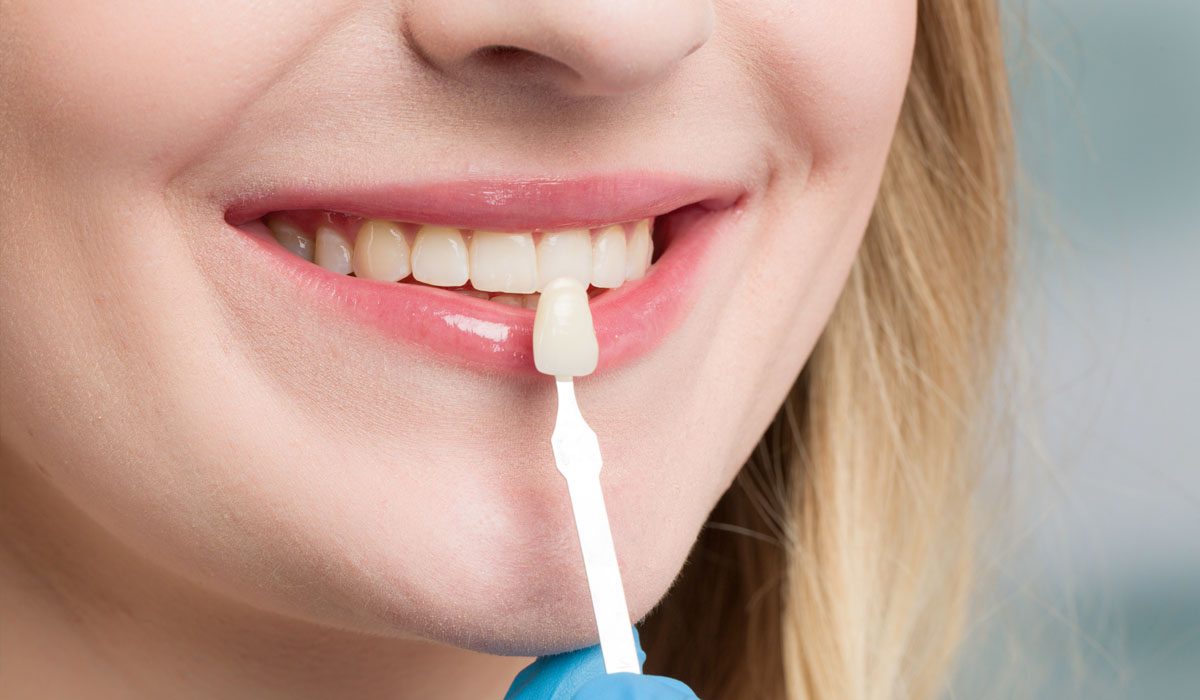
Composite veneers have gained significant popularity as a cosmetic dental solution for patients seeking to enhance their smiles, particularly for those dealing with gaps between their teeth. In Dubai, where aesthetics are highly valued, Composite Veneers in Dubai offer a non-invasive way to achieve a smoother, more uniform smile. This article explores how composite veneers work to close gaps between teeth, the procedure involved, and the benefits of choosing composite veneers for dental gaps. What Are Composite Veneers?Composite veneers are thin shells made from a durable, tooth-colored resin material that is bonded directly to the surface of your teeth. Unlike porcelain veneers, which are created in a dental laboratory, composite veneers are sculpted and applied in one visit to the dentist. The resin used is shaped to match the natural contours of your teeth, offering a more customized and seamless result. One of the most notable advantages of composite veneers is their versatility in improving various dental imperfections, such as discoloration, chips, and misalignment, including gaps between teeth. These veneers are particularly effective for small to medium gaps, providing an aesthetic solution without the need for braces or other lengthy procedures. How Composite Veneers Close Gaps Between Teeth
Composite veneers are crafted directly on the tooth during the appointment, which allows for a highly personalized fit. For individuals with gaps between their teeth, the dentist carefully shapes the veneer to close the gap, ensuring that the final result looks natural and blends seamlessly with the rest of the smile.
The dentist applies composite resin directly to the tooth surface, molding and sculpting it to eliminate the gap. This technique is precise, as the dentist can add layers of resin to gradually build up the correct size and shape, thus closing the gap with an incredibly detailed and individualized approach. The process ensures that the veneers adhere securely, providing lasting results.
Unlike some other procedures that may require significant reshaping of the teeth, composite veneers typically involve minimal tooth reduction. Only a small portion of the tooth's surface is lightly etched to allow for the resin bonding, preserving the integrity of the natural tooth structure. This makes composite veneers a relatively conservative option for addressing gaps between teeth.
One of the biggest advantages of composite veneers for closing gaps is the speed of the procedure. Unlike braces or orthodontic treatments, which can take months or even years to close gaps, composite veneers can often be completed in a single dental visit. This makes them an attractive option for individuals seeking a fast solution to their cosmetic concerns.
The composite resin used in the veneers is color-matched to the natural shade of your teeth, which helps the veneers blend seamlessly with your smile. The material is also translucent, allowing the natural light reflection of the tooth to be maintained, contributing to a more realistic appearance. This is particularly important when closing gaps, as the results should appear as though no intervention has taken place. The Procedure for Getting Composite Veneers to Close GapsThe process of getting composite veneers to close gaps is straightforward and typically involves the following steps:
Benefits of Composite Veneers for Closing Gaps
Aftercare and MaintenanceAfter getting composite veneers, proper care is essential to maintain their appearance and longevity. Some basic aftercare tips include:
ConclusionComposite veneers provide a highly effective and aesthetically pleasing solution for closing gaps between teeth in Dubai. The procedure is minimally invasive, quick, and cost-effective, offering a personalized approach to achieving a seamless, natural-looking smile. Whether you're looking to correct a small gap or enhance your overall appearance, composite veneers can be a valuable option for enhancing your smile without the need for more invasive procedures. |
|
|
| Total comments: 0 | |