3:59 PM How to Know When You Need Braces in Dubai: A Dental Guide |
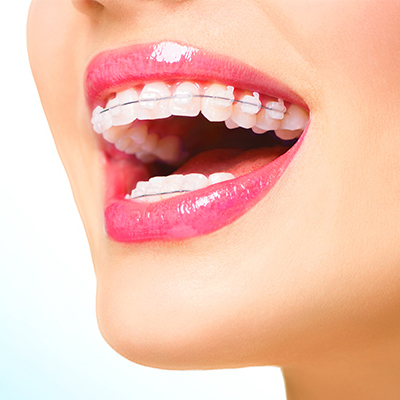
When it comes to achieving a healthy, straight smile, braces can play a crucial role in addressing various dental issues. However, understanding when you need braces is key to deciding if and when you should seek treatment. Whether you're Dental Braces Cost In Dubai, knowing the signs that indicate the need for braces can help you take proactive steps toward improving your oral health. 1. Misalignment of TeethOne of the most common reasons people get braces is the misalignment of teeth. If your teeth are crooked, overlapping, or spaced too far apart, braces may be necessary to straighten them. Misalignment can make it more difficult to properly clean your teeth, increasing the risk of tooth decay and gum disease. It can also affect your bite, leading to discomfort or difficulty chewing. When your teeth don’t align properly, braces can gradually reposition them, improving both appearance and function. Signs of Misalignment:
2. Overbite, Underbite, or CrossbiteA bite issue occurs when the upper and lower teeth do not meet properly. There are three main types of bite problems: overbite, underbite, and crossbite.
These bite issues can cause a range of problems, including difficulty chewing, speech issues, and excessive wear on your teeth. Braces can help realign your teeth and jaws, correcting bite issues and improving overall function. Signs of Bite Problems:
3. Jaw Pain or DiscomfortIf you're experiencing frequent jaw pain, popping, or clicking sounds, it could be a sign that your bite is misaligned. These symptoms may indicate issues with the temporomandibular joint (TMJ), which connects your jaw to the skull. Misalignment of the teeth and jaws can place unnecessary pressure on this joint, leading to discomfort and pain. In many cases, braces can help relieve this pressure by realigning the teeth and jaw. Signs of Jaw Issues:
4. Difficulty Cleaning TeethIf you find it difficult to clean your teeth properly, it might be because they are misaligned. Crooked teeth or teeth that overlap can create hard-to-reach spaces where food particles and plaque can accumulate. This can lead to tooth decay, gum disease, and bad breath. Braces can help by aligning the teeth in a way that makes them easier to clean, improving oral hygiene and preventing dental braces issues in the future. Signs of Difficulty Cleaning Teeth:
5. Speech DifficultiesIn some cases, misaligned teeth can affect your speech, causing difficulty with certain sounds or words. If you notice that you have trouble pronouncing specific sounds or that your speech is unclear, it could be due to dental misalignment. Braces can help by realigning the teeth, improving speech clarity, and making it easier to pronounce words correctly. Signs of Speech Issues:
6. Early or Late Loss of Baby TeethThe timing of when children lose their baby teeth can also indicate the need for braces. If baby teeth are lost too early or too late, it may disrupt the natural development of the permanent teeth, leading to alignment issues. Children who experience these problems may benefit from braces later on to guide the permanent teeth into the correct position. Signs in Children:
7. Teeth Grinding or ClenchingIf you frequently grind or clench your teeth, it can lead to tooth wear, jaw pain, and headaches. In many cases, this behavior is linked to misaligned teeth or an improper bite. Braces can help reposition the teeth, potentially reducing the urge to grind or clench them and alleviating the related symptoms. Signs of Teeth Grinding:
8. Aesthetic ConcernsFor many people, the appearance of their smile is a major factor in deciding to get braces. If you're self-conscious about your crooked, spaced, or misaligned teeth, braces can help create a more balanced and attractive smile. A confident smile can also have a positive impact on your self-esteem and overall quality of life. Aesthetic Signs:
ConclusionDetermining whether you need braces depends on a variety of factors, including misalignment, bite problems, jaw pain, difficulty cleaning your teeth, and aesthetic concerns. If you notice any of these signs, it may be time to consult with a dental professional to discuss whether braces are the right solution for you. |
|
|
| Total comments: 0 | |