A single tooth implant is more than just a solution to a missing tooth—it's an investment in both your oral health and your confidence. Unlike traditional bridges or dentures, a dental implant offers a durable, long-lasting, and natural-looking result that can last a lifetime with proper care. Whether you’re considering a
Single Tooth Implant Cost Dubai, benefits, and post-treatment care, this comprehensive guide will provide you with the information you need to make an informed decision.
What Is a Single Tooth Implant?
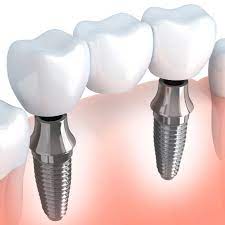
A single tooth implant is a medical procedure that involves the replacement of a missing tooth with a titanium post inserted into the jawbone. This post acts as a root for the replacement tooth, ensuring a secure and stable fit. Over time, the titanium integrates with the bone in a process called osseointegration, providing a foundation for a dental crown that looks and functions like a natural tooth.
The Benefits of a Single Tooth Implant
Investing in a single tooth implant comes with numerous benefits that go beyond just aesthetics. Some of the key advantages include:
-
Natural Appearance: The crown placed on the implant is custom-made to match the color, shape, and size of your natural teeth, ensuring that your smile looks seamless.
-
Enhanced Functionality: Unlike dentures or bridges, implants allow you to chew, bite, and speak naturally without the worry of slippage or discomfort.
-
Preservation of Jawbone Health: Implants help preserve the jawbone by preventing bone loss, which can occur when a tooth is lost. This supports the overall structure of your face and prevents sunken areas.
-
Long-Term Durability: With proper care, a single tooth implant can last a lifetime, making it a cost-effective option over time, despite the initial investment.
-
Improved Confidence: A missing tooth can impact both your appearance and your self-esteem. A single tooth implant restores your smile, allowing you to feel more confident in both social and professional settings.
The Process of Getting a Single Tooth Implant
The process of getting a single tooth implant typically involves several stages, and while it may vary slightly depending on individual circumstances, here’s a general overview of what you can expect:
-
Initial Consultation: The first step is to schedule a consultation with a dental professional. During this appointment, your dentist will assess your oral health, take X-rays, and discuss your goals for the treatment. In some cases, a CT scan may be used to evaluate the bone structure and help plan the implant placement.
-
Surgical Placement of the Implant: The actual procedure involves placing the titanium post (implant) into the jawbone. This is typically done under local anesthesia, ensuring that the procedure is relatively pain-free. The process may take one to two hours, depending on the complexity.
-
Healing Period: After the implant is placed, there’s a healing period where the bone fuses with the titanium post. This can take several months. During this time, your dentist may provide a temporary restoration to fill the gap.
-
Placement of the Abutment: Once the implant has integrated with the bone, a small abutment is placed on top of the post. This piece connects the implant to the final crown.
-
Final Crown Placement: After the abutment is placed, a custom-made crown is attached to the abutment. This crown is designed to match the rest of your teeth and will restore full function and appearance to your smile.
Post-Treatment Care for a Single Tooth Implant
Proper care after the procedure is essential to ensuring the longevity and success of your single tooth implant. Here are some key tips to follow for optimal healing:
-
Follow-Up Appointments: Regular check-ups are important to monitor the healing process and ensure that the implant is functioning properly.
-
Oral Hygiene: Maintaining good oral hygiene is crucial. Brush your teeth at least twice a day, floss daily, and use a non-abrasive mouthwash to keep the implant area clean and free of bacteria.
-
Avoid Hard Foods: For the first few weeks after the implant procedure, avoid eating hard or chewy foods that could put pressure on the implant site.
-
Pain Management: It’s normal to experience some discomfort after the procedure. Over-the-counter pain medication and cold compresses can help alleviate swelling and pain.
-
Watch for Complications: Though rare, complications like infection or implant failure can occur. If you notice signs of infection such as excessive swelling, bleeding, or pain, contact your dentist immediately.
Is a Single Tooth Implant Right for You?
A
Single Tooth Implant Cost in Dubai, but it’s important to assess whether you’re a good candidate for the procedure. Ideal candidates should have healthy gums and adequate bone density to support the implant. If bone loss has occurred due to a missing tooth, bone grafting may be necessary before placing the implant.
Patients who are in good general health and have realistic expectations about the procedure and recovery are typically good candidates. Your dentist will evaluate your specific case and help you decide if a single tooth implant is the best option for you.
Conclusion
A single tooth implant is a smart, long-term solution for replacing a missing tooth. Not only does it restore the appearance of your smile, but it also offers functional benefits that enhance your quality of life. With proper care and maintenance, a dental implant can provide lasting results that make it a worthwhile investment in your overall dental health and self-confidence.
|