10:37 AM Step-by-Step Approaches to Erasing Spot Scars from Acne |
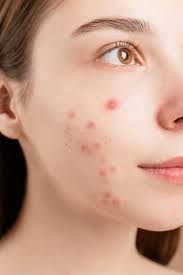
Dealing with acne is tough enough, but the scars that remain afterward can feel like an additional burden. Whether you're recovering from a breakout or simply trying to erase those persistent spots, it's essential to understand the best Acne Treatment Dubai. In this guide, we’ll walk you through step-by-step approaches to help you fade and possibly eliminate those spots, giving you smoother and clearer skin. Understanding Acne ScarsBefore diving into treatments, it's crucial to understand what acne scars are. Acne scars form when a pimple or cyst causes damage to the skin's tissue. The body’s healing process results in either excess collagen or a lack of it, leading to two main types of scars:
Knowing what type of scars you're dealing with will guide your treatment plan and help you choose the right approach. Step 1: Cleanse and Treat Your Skin GentlyThe foundation of clear, healthy skin starts with a gentle skincare routine. Using harsh scrubs or over-washing your face can irritate the skin, making acne scars worse. Here's how to keep your skin clean and prevent new breakouts:
Maintaining a clean face helps to prevent new acne from forming while healing the skin after breakouts. Step 2: Spot Treatment with Active IngredientsOnce your skin is prepped, the next step involves targeting those pesky scars with ingredients that promote healing and lighten hyperpigmentation. The following active ingredients have been proven to reduce the appearance of acne scars:
Make sure to apply spot treatments directly onto the affected areas. Always follow the manufacturer’s instructions to avoid irritation. Step 3: Exfoliation and Chemical PeelsExfoliation is an essential part of erasing acne scars, but it must be done carefully to avoid further skin irritation. Regular exfoliation removes dead skin cells, promotes new skin growth, and improves the texture of the skin.
If you're considering chemical peels, consult with a dermatologist to determine the most suitable strength for your skin type. Step 4: Microneedling for Deeper ScarsFor deeper acne scars, microneedling is a popular procedure that can help stimulate collagen production and improve the skin’s texture. During the treatment, tiny needles create micro-injuries in the skin, which triggers the body’s natural healing response. This helps in the regeneration of healthy skin tissue and smooths out scar tissue over time. While microneedling can be effective, it’s important to ensure that it’s done by a professional, especially if you have deeper or more complex scarring. Step 5: Laser Treatments for Acne ScarsLaser therapy is another advanced option that can significantly improve the appearance of acne scars. There are several types of lasers, with two commonly used for acne scars:
Laser treatments can be a game-changer, especially for those with stubborn or hypertrophic scars. It's essential to choose a qualified professional to perform these treatments to ensure optimal results and minimize side effects. Step 6: Consistent Post-Treatment CareAfter undergoing treatments like chemical peels, microneedling, or laser therapy, the skin needs time to heal. Post-treatment care is essential to protect the skin and optimize results:
Following the post-treatment instructions given by your professional is vital to ensure the best results and prevent further irritation. Step 7: Be Patient and ConsistentNo matter which treatment method you choose, patience is key. Acne scars take time to heal, and results won’t be immediate. Consistency with your skincare routine and treatments is essential for gradually reducing the appearance of scars. It's important to manage expectations and understand that while treatments can significantly improve the appearance of scars, complete elimination may not always be possible. However, with dedication, you can achieve smoother and more even skin over time. ConclusionErasing acne scars requires a multi-faceted approach, but with the right treatments and care, it’s entirely possible to reduce their appearance and regain clear, smooth skin. From gentle cleansing and spot treatments to advanced therapies like microneedling and laser treatments, there are various ways to tackle scars. The key is consistency and patience—give your skin the time it needs to heal and rejuvenate, and you’ll soon notice significant improvements. Always remember, consult with a professional to determine the best treatment for your specific skin needs. With the right approach, clear skin is within reach! |
|
|
| Total comments: 0 | |