9:48 AM The Benefits and Risks of Chemical Peels for Melasma |
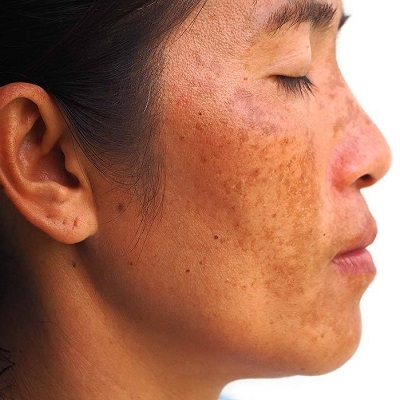
Melasma is one of those stubborn skin conditions that can feel like a mystery to manage. Characterized by dark, patchy discoloration, it often appears on areas like the cheeks, forehead, and upper lip. Melasma Treatment Dubai, it can deeply affect confidence and self-image. Among the popular treatments available today, chemical peels have earned a strong reputation for their potential to lighten melasma and improve overall skin texture. But like any aesthetic procedure, it's important to weigh both the benefits and the risks before deciding if it’s right for you. What Are Chemical Peels and How Do They Work?Chemical peels are cosmetic skin treatments designed to exfoliate the outermost layers of skin. They involve applying a specially formulated solution to the skin, which encourages the top layer to peel away. This process reveals fresher, smoother, and often more evenly toned skin beneath. There are different types of chemical peels, categorized by their depth of penetration. Superficial peels work on the outer layer, medium peels go a bit deeper, and deep peels target the middle layer of the skin. For treating melasma, superficial to medium-depth peels are typically recommended, as they gently exfoliate pigmented cells without causing too much trauma to the skin. The Benefits of Chemical Peels for MelasmaMany people turn to chemical peels because they offer multiple benefits in addressing melasma and other skin concerns. Reduces HyperpigmentationOne of the primary reasons for choosing a chemical peel is its ability to lighten dark patches caused by melasma. By removing the outer skin layers where excess pigment resides, peels help to fade discoloration and promote a more even skin tone. Improves Skin TextureAlong with reducing pigmentation, chemical peels can enhance the overall texture of the skin. They minimize rough patches, unclog pores, and improve skin smoothness, making the complexion appear healthier and more youthful. Boosts Skin RadianceAfter shedding the damaged outer layer, fresh skin underneath tends to look brighter and more radiant. This immediate improvement often boosts confidence and leaves skin looking revitalized. Complements Other TreatmentsChemical peels can be an effective part of a comprehensive skincare plan. They work well in combination with topical treatments such as brightening serums and sunscreen, enhancing their effectiveness in managing melasma. The Risks and Side Effects of Chemical PeelsWhile chemical peels can deliver impressive results, it's equally important to understand the potential side effects and risks. Skin Irritation and RednessAfter a peel, it’s normal to experience redness, tenderness, and a mild burning sensation. These effects typically subside within a few days for superficial peels but may last longer for deeper treatments. Temporary DarkeningIn some cases, melasma can appear darker immediately after treatment. This is often temporary and part of the skin’s natural healing process, but it highlights the need for proper post-treatment care. Sun SensitivityFreshly treated skin becomes highly sensitive to the sun, increasing the risk of sunburn and pigmentation if proper sun protection isn’t applied consistently. Risk of Scarring and InfectionThough rare with superficial to medium peels, improper technique or poor aftercare can increase the risk of scarring and infection. It's essential to follow all post-procedure guidelines carefully to minimize complications. What to Expect During and After the ProcedureThe chemical peel process is generally straightforward. The skin is cleansed, and a peeling solution is applied for a set amount of time. Depending on the type of peel, you might feel a tingling or mild stinging sensation. The solution is then neutralized and removed. Following the treatment, the skin may appear red and tight, with peeling starting within a few days. It’s crucial to avoid picking or pulling at the flaking skin, as this can lead to scarring and uneven pigmentation. Post-treatment care involves gentle cleansing, consistent use of moisturizers, and daily application of a broad-spectrum sunscreen. Avoiding direct sun exposure is essential during the healing phase to protect the fresh, sensitive skin and prevent new pigmentation from forming. Are Chemical Peels Safe for All Skin Types?While Melasma Treatment in Dubai, individuals with darker skin tones need to approach this treatment cautiously. Certain peels may trigger post-inflammatory hyperpigmentation, worsening discoloration rather than improving it. A consultation with a qualified skincare professional is recommended to determine the most suitable type and strength of peel for your specific skin type. How Many Sessions Are Needed to See Results?Results from chemical peels vary based on the severity of melasma and the type of peel used. Most people require a series of treatments spaced a few weeks apart to see noticeable improvement. Maintenance treatments, combined with a proper skincare routine, can help prolong results and keep melasma under control. ConclusionChemical peels offer a promising, non-invasive option for managing melasma by reducing hyperpigmentation, improving skin texture, and promoting a brighter complexion. However, like any cosmetic treatment, they come with risks such as irritation, sun sensitivity, and the potential for temporary darkening. Careful post-treatment care and sun protection are essential to maintain results and avoid complications. |
|
|
| Total comments: 0 | |