2:22 PM The Best Prescription Acne Treatments According to Dermatologists |
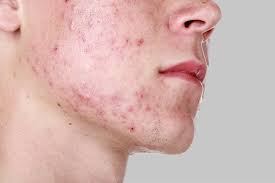
Acne is more than just a cosmetic concern—it can affect confidence, emotional well-being, and even lead to scarring if left untreated. While over-the-counter treatments work for mild cases, prescription options are often the best solution for stubborn or severe acne. Dermatologists recommend several prescription treatments based on the type and severity of Acne Treatment Dubai, ensuring targeted and effective results. Understanding Prescription Acne TreatmentsPrescription acne treatments work by targeting the root causes of breakouts, such as excessive oil production, clogged pores, bacteria, and inflammation. They come in various forms, including topical creams, oral medications, and combination therapies. 1. Topical RetinoidsDerived from Vitamin A, retinoids are a go-to treatment for unclogging pores and promoting skin cell turnover. Common options include:
How It Works: Retinoids prevent clogged pores, reduce inflammation, and promote collagen production. Considerations: Initial irritation, dryness, and sun sensitivity may occur, but these effects often subside with continued use. 2. Topical AntibioticsThese help reduce acne-causing bacteria and inflammation. Dermatologists often prescribe:
How It Works: These antibiotics target bacteria and reduce redness. Considerations: Typically used in combination with other treatments to prevent resistance. 3. Oral AntibioticsFor moderate to severe inflammatory acne, dermatologists may recommend oral antibiotics like:
How It Works: These medications fight bacteria from within, reducing inflammation and breakouts. Considerations: Long-term use isn’t recommended due to potential resistance and side effects like stomach upset and sun sensitivity. 4. Hormonal TherapiesFor those with hormonal acne, particularly adult women, hormonal treatments can be effective. Options include:
How It Works: By balancing hormones, these treatments reduce sebum production and prevent flare-ups. Considerations: These options are not suitable for everyone and require medical consultation. 5. Isotretinoin (Accutane)For severe cystic acne that doesn’t respond to other treatments, isotretinoin is a powerful option. How It Works: This oral retinoid reduces oil production, prevents clogged pores, and minimizes inflammation. Considerations: Requires strict medical supervision due to potential side effects like dryness, sun sensitivity, and birth defects if taken during pregnancy. Post-Treatment Care: Maintaining Clear SkinOnce Acne Treatment in Dubai, maintaining results is crucial. Dermatologists recommend:
ConclusionPrescription acne treatments offer powerful solutions for achieving clear skin. Whether through topical applications, oral medications, or hormonal therapy, dermatologists tailor treatments to individual needs. Consulting a professional ensures the right approach for long-term acne management and skin health. If you’re struggling with persistent acne, seeking expert advice is the best step toward lasting results. |
|
|
| Total comments: 0 | |