10:04 AM Understanding Ear Wax Removal: Techniques and Tips |
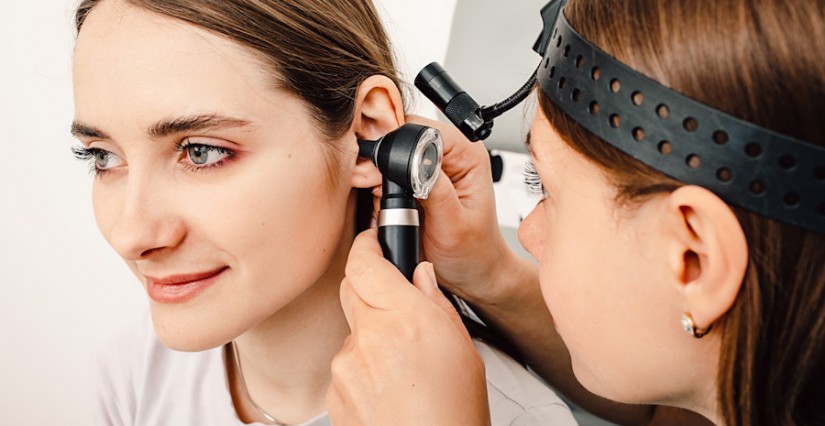
Ear wax, or cerumen, is a natural substance produced by the body to protect the ear canal. While it serves an important purpose, it can also build up over time and cause discomfort or even hearing issues. Ear wax removal is a common procedure, but it’s important to know the best techniques and tips to do so safely and effectively. In this article, we’ll delve into the process of Ear Wax Removal Dubai, explore different methods, and offer helpful aftercare advice to ensure your ears stay clean and healthy. Why Ear Wax Removal is ImportantEar wax plays a crucial role in keeping the ear canal clean and free from dust, bacteria, and foreign particles. However, when too much ear wax accumulates, it can lead to blockages, causing symptoms such as earache, reduced hearing, a feeling of fullness in the ear, and sometimes even ringing in the ears (tinnitus). Removing excess ear wax not only alleviates these issues but also helps prevent ear infections. Safe Techniques for Ear Wax RemovalThere are several safe methods for ear wax removal, and choosing the right one depends on the amount of wax buildup and your comfort level. Let’s take a look at the most popular techniques. 1. At-Home DropsOne of the most common and easiest ways to manage ear wax buildup is by using over-the-counter ear drops. These drops work by softening the ear wax, making it easier for the body to expel it naturally. Simply follow the instructions on the packaging, typically placing a few drops in the ear and allowing them to sit for several minutes. It’s a non-invasive and gentle method, ideal for mild to moderate wax buildup. 2. Ear IrrigationEar irrigation, also known as ear flushing, involves using warm water to rinse out excess ear wax. This method is effective when done properly and can be done at home with a bulb syringe or a similar tool. It's important to ensure that the water temperature is comfortable and not too hot or cold, as extreme temperatures can cause discomfort or even injury. However, if you have a history of ear infections or a perforated eardrum, this method should be avoided. 3. Manual Removal by a ProfessionalFor those with significant ear wax buildup or if at-home methods aren’t working, visiting a healthcare professional for manual removal may be necessary. Professionals typically use specialized instruments such as a curette, suction, or forceps to safely remove the wax. This is often the most effective method, especially when dealing with hard or deeply impacted wax. 4. MicrosuctionMicrosuction is a modern technique that uses a small, gentle suction device to remove ear wax. This method is considered safe and effective, especially for individuals who are prone to ear infections or have sensitive ear canals. Microsuction is performed by professionals and is ideal for those who have a more stubborn wax buildup. What to Avoid When Removing Ear WaxWhile removing ear wax is essential for maintaining ear health, there are some practices that should be avoided to prevent injury or further complications. One of the most common mistakes people make is using cotton swabs to clean the ear canal. While cotton swabs may seem like an easy solution, they can push the wax further into the ear, causing impaction and increasing the risk of infection. Additionally, it’s important not to insert any sharp objects, like hairpins or bobby pins, into the ear canal, as these can cause serious damage to the ear canal or eardrum. Post-Treatment CareAfter ear wax removal, it’s important to take proper care of your ears to avoid irritation or infection. Here are some tips for post-treatment care: Avoid Inserting Objects in the Ear Canal: After the wax is removed, avoid inserting anything into the ear canal, including cotton swabs or earplugs, unless necessary. This helps protect the delicate skin inside the ear. Keep Ears Dry: After the procedure, try to keep your ears dry to prevent any moisture from causing irritation or infections. You can gently dry your ears with a towel after showering or swimming. Monitor for Infection: Pay attention to any signs of infection, such as pain, discharge, or swelling in the ear. If you experience any of these symptoms, consult a healthcare professional for further evaluation. Use Ear Drops if Needed: If you’re prone to excessive ear wax buildup, consider using ear drops periodically to keep the ear canal clear. Be sure to follow the directions on the product label for safe use. How Often Should You Have Your Ears Cleaned?The frequency of ear wax removal varies from person to person. For some, Ear Wax Removal in Dubai is a rare occurrence, while others may experience it more frequently. Generally, ears are self-cleaning, and most people don’t need to have their ears professionally cleaned often. However, if you notice symptoms of wax buildup, such as hearing loss or discomfort, it may be time for a cleaning. It’s always best to consult a healthcare professional if you’re unsure about the best approach for your situation. ConclusionEar wax removal is an important aspect of ear care, helping to maintain hearing health and prevent infections. Whether you choose to use at-home ear drops, irrigation, or seek professional removal, it’s essential to use safe and gentle techniques. Remember, when in doubt, consult a healthcare provider to ensure that your ear care routine is both effective and safe. By understanding the different methods of ear wax removal and following proper aftercare, you can keep your ears in top condition and avoid the discomfort associated with ear wax buildup. |
|
|
| Total comments: 0 | |