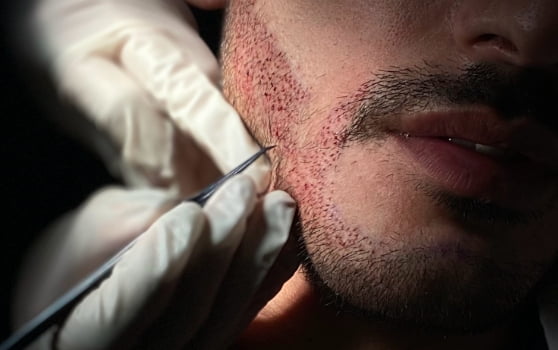
Beard transplants have gained popularity as more men seek fuller, thicker beards to enhance their appearance. The process involves several key steps, each crucial for achieving natural-looking results. This article outlines the
Beard Hair Transplant in Dubai, covering everything from the initial consultation to post-operative care.
1. Initial Consultation
The first step in the beard transplant process is an initial consultation with a qualified specialist. During this meeting, the doctor will:
- Assess Your Candidacy: The surgeon evaluates your overall health and specific needs. Factors like skin type, beard growth patterns, and existing hair follicles are examined.
- Discuss Goals: It's essential to communicate your desired beard style, density, and coverage. The surgeon will guide you on what is achievable based on your facial structure and hair characteristics.
- Explain the Procedure: The doctor will outline the different techniques available (FUE or FUT) and what to expect during and after the surgery.
- Address Concerns: Patients are encouraged to ask questions regarding risks, recovery, and costs associated with the procedure.
2. Pre-Operative Preparation
Once you decide to proceed, the next step involves preparing for the procedure:
- Medical Evaluation: A thorough medical evaluation ensures that you are fit for surgery. This may include blood tests and an assessment of any pre-existing conditions.
- Avoid Medications: Patients are advised to avoid blood-thinning medications, alcohol, and smoking for a specified period before surgery to minimize risks.
- Hair and Skin Care: Proper grooming and skincare routines are recommended to optimize the area for transplantation.
3. The Transplant Procedure
The beard transplant typically involves two main techniques: Follicular Unit Extraction (FUE) and Follicular Unit Transplantation (FUT). The choice depends on various factors, including the patient’s hair type and desired results.
Follicular Unit Extraction (FUE)
- Harvesting Hair Follicles: In this minimally invasive technique, individual hair follicles are extracted from the donor area (often the back of the scalp) using a specialized tool.
- Creating Recipient Sites: Tiny incisions are made in the beard area where the follicles will be implanted. The surgeon ensures that the angle and direction mimic natural beard growth.
- Implantation: The extracted follicles are carefully implanted into the recipient sites. This process can take several hours, depending on the number of grafts.
Follicular Unit Transplantation (FUT)
- Strip Harvesting: In this technique, a strip of skin containing hair follicles is removed from the donor area. The strip is then dissected into individual follicular units.
- Suturing: The donor area is sutured closed, leaving a linear scar that can be concealed by surrounding hair.
- Implantation: Similar to FUE, the dissected follicles are implanted into the beard area through tiny incisions.
4. Post-Operative Care
Post-operative care is crucial for optimal healing and results. The following steps are typically recommended:
- Follow-Up Appointments: Regular follow-ups with the surgeon are scheduled to monitor healing and address any concerns.
- Care for Donor and Recipient Areas: Patients are instructed on how to clean and care for both areas. Special shampoos and ointments may be prescribed.
- Avoiding Strenuous Activities: It's essential to refrain from heavy exercise, swimming, and sun exposure for a few weeks to allow for proper healing.
- Medication: Pain relief and anti-inflammatory medications are often prescribed to manage discomfort and prevent infection.
5. Results and Recovery
- Initial Shedding: It’s common for transplanted hair to shed within the first few weeks post-surgery. This is a normal part of the growth cycle.
- New Hair Growth: After about three to six months, patients can expect to see new hair growth in the transplanted area. Full results typically manifest within 12 to 18 months.
- Styling and Maintenance: Once fully healed, patients can style their beards as desired. Regular grooming and maintenance will help keep the beard looking its best.
Conclusion
The beard transplant process in Dubai is a detailed and personalized journey, requiring careful consideration at every step. From the initial consultation to post-operative care, understanding the key phases ensures that patients are well-prepared and informed. With advancements in techniques like FUE and FUT, achieving a natural-looking beard is more accessible than ever. By following the guidance of experienced professionals and adhering to post-operative care instructions, individuals can enjoy the confidence that comes with a fuller beard.
|